
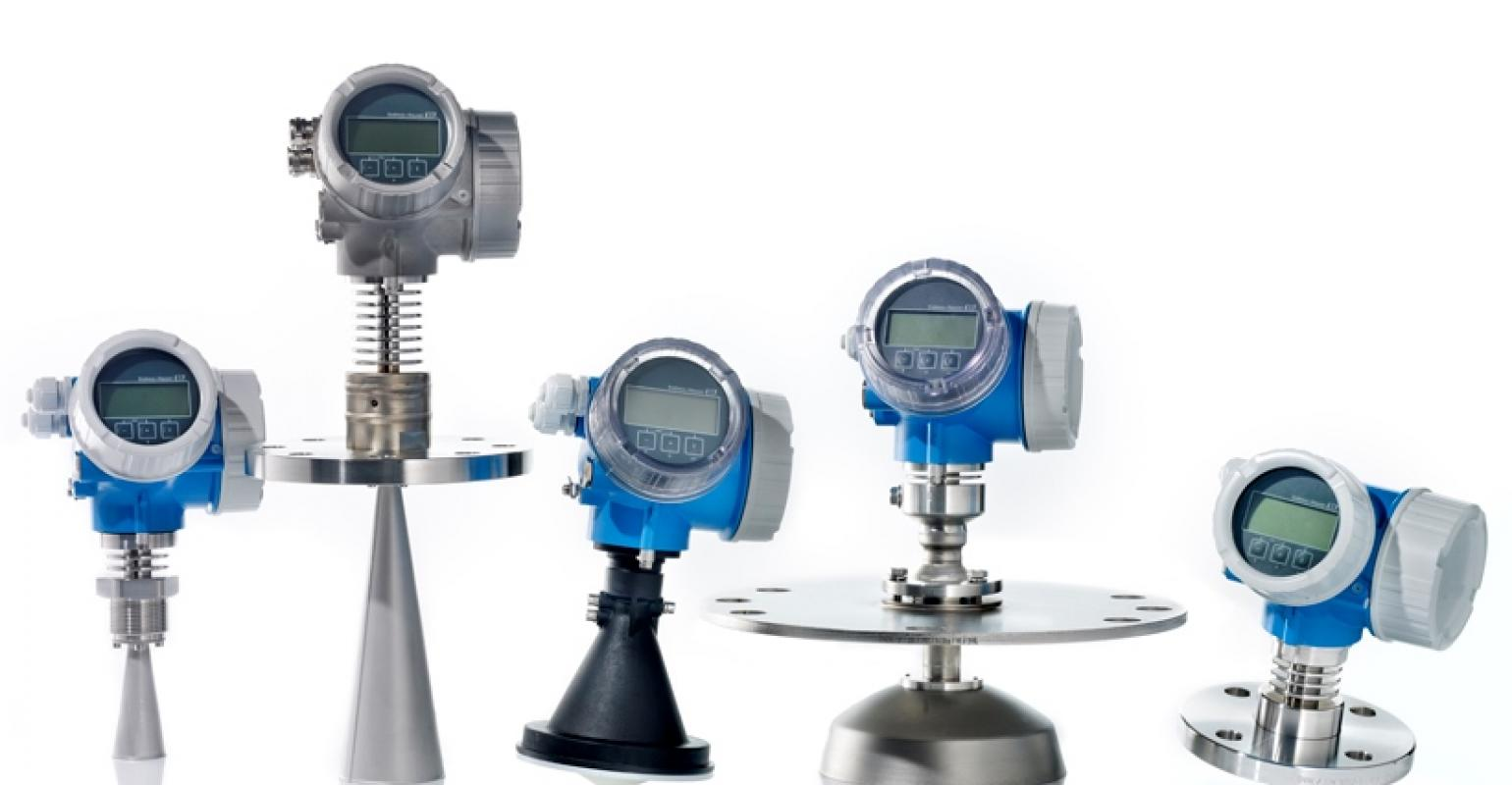
I know this blog was for learning about instrumentation. So, you know what? I’ll do it. There are many types of levels used in the refinery, but I want to write about these three. Only because they are used but rarely need maintenance so many techs don’t have much experience with them.
This is a Rosemount 5300 Series Guided radar.

Well, what does it do? It measures level using the same technology as a sonic submarine. What’s so cool about these, you can put them in almost any type of product. The one shown is for water and non-caustic. It has a long rod that can go as far as the floor of the vessel you are measuring. It emits a sonic wave in the rod and the different wave will bounce back and this measures the output of the level.
How does it work? Well, you install it on top of a vessel that you want to measure the level on. Set the parameters that you are using the radar for (like length, height, depth, product, etc.) and whammo. It will start measuring. What makes me love these so much? Because it uses Hart technology, so I can hook it up to a 475 handheld meter and I can even see the echo. But if I want to record, I install the software for it, and record it on a laptop. Most readers for Hart are the two-prong type that goes into a USB port. They rarely need maintenance, so I should be worried about this technology. I’ll start feeling like the Maytag repair guy.
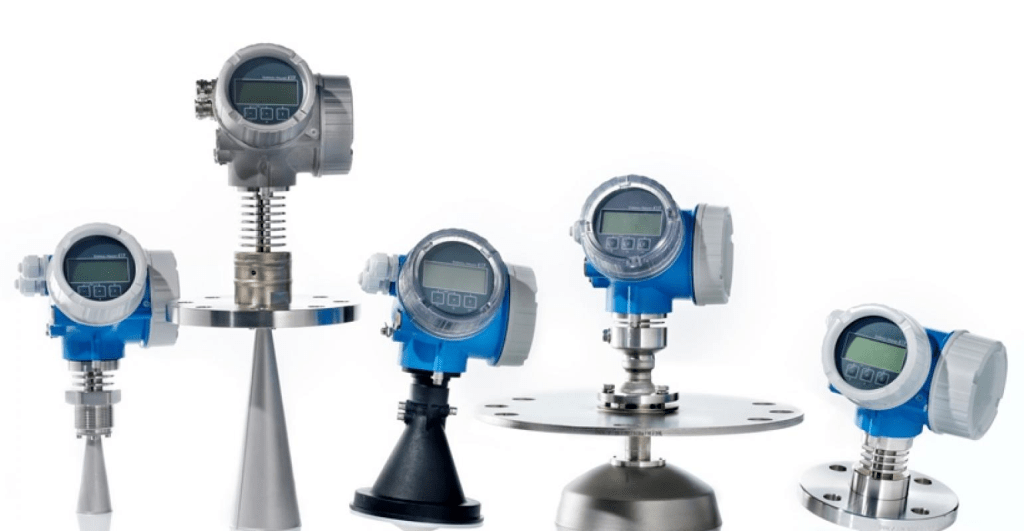
These little boogers are Endress Hauser Micropilot radar level FMR. These are somewhat the same, but instead of having a dangling rod, these use cones. Depending on the surface, whether the product is not moving or turbulent, it doesn’t really need anything else. Just the basic information about the vessel, and it will start measuring. It sends a sound wave and the reflection back will tell the transmitter the output. What I like about these is they can be programmed right at the transmitter, so I don’t need a handheld. And the menu is simple.

I hope I never have to see those green tubes. These are nuclear type radar. Yes, the same stuff used in power plants. But, there is just a speck of radiation material in the green tube. Why on earth would we use these? Because some products (like in a refinery) have product (it’s called pitch, which is what crude oil is after it’s cleaned up) that is 900 degrees with 1500 pounds of pressure, or hydroflouric acid. So these sit against the vessel and radiate. The other side of the vessel will have sensors, maybe one, or two of them in different levels. Once the product passes through the radiated part, the sensors will know where the product is. And, because some products have different densities, this will pick that up too.
OK process teaching time. Pitch is mixed with super-hot water and pressurized. When filling the coke drums with this slurry, it creates foam. Not like the bath bubble foam, more like the head of Guinness beer. But this is a fake level, and it can cause problems. So, the density radar will detect the difference and the operators can fill the drum to the proper level, that way when the pressure and heat is perfect, or near perfect, it will extract everything out of the pitch, which turns to coke and makes other products, like kerosene.

 Life inside a jacked up refinery